What Is Humane Education?
Humane education teaches young people to understand how their choices affect animals, people, and the natural world. By exploring the human-animal bond, animal welfare, and responsible decision-making, students build compassion, critical-thinking skills, and respect for living beings.
What Humane Education Means
Building compassion, responsibility, and critical thinking
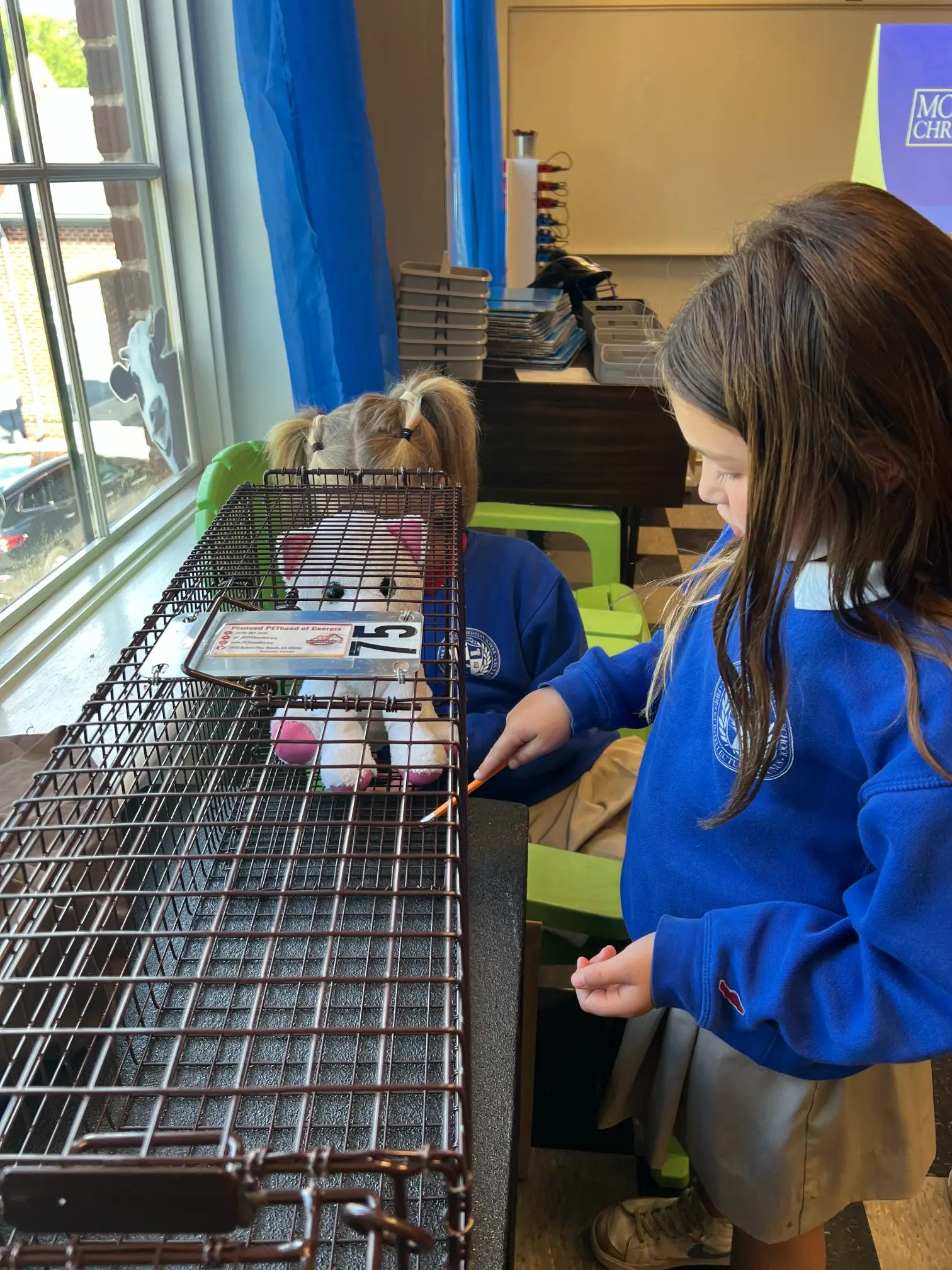
Humane education helps young people develop compassion for people, animals, and the environment while building critical-thinking skills and respect for the natural world. It encourages students to understand the human-animal bond and think about how their choices and actions affect other living beings.
Through humane education, students can explore responsibility, empathy, animal welfare, safe interactions with animals, conservation, and other issues that connect people, animals, and their communities. GCHE works to make these concepts and educational resources accessible to students and educators throughout Georgia.
What Students Explore
Connecting learning with real-world choices
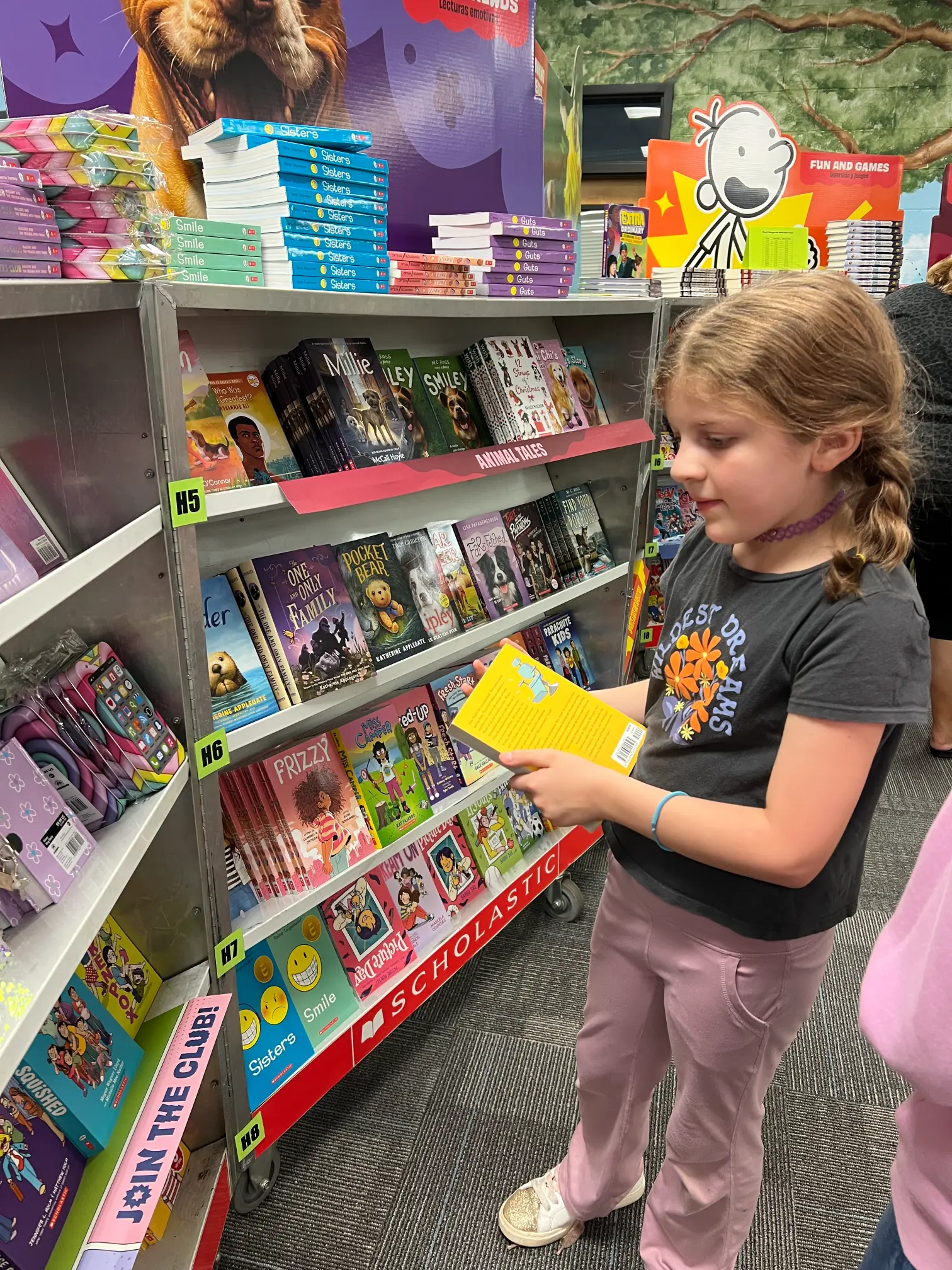
Students can explore a wide range of topics that build understanding of animals and the human-animal bond. Humane education resources may introduce compassion and empathy, responsible and safe interactions with animals, animal welfare, and ways young people can make a positive difference in their communities.
Older students can also examine broader connections among human health, the environment, and animals; explore alternatives used in science education; and learn about careers that allow people to help animals. GCHE connects educators with age-appropriate lessons, activities, videos, reading materials, and other resources that support these topics in the classroom and beyond.
What Humane Education Looks Like in Practice
Bringing humane education into classrooms and youth programs
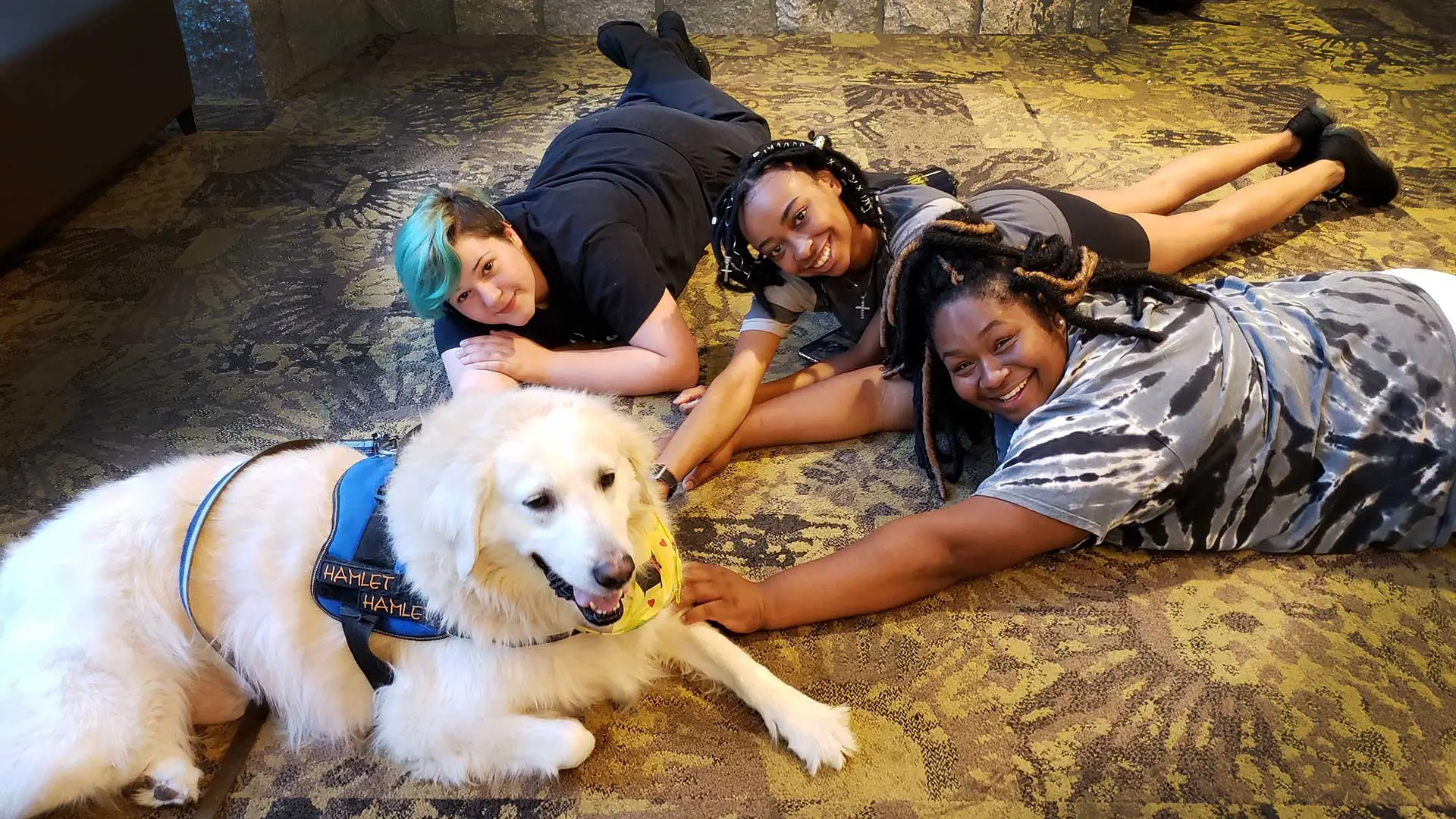
Teachers and other youth educators can use humane education through classroom lessons, reading activities, videos, discussions, service projects, career exploration, and other age-appropriate learning experiences.
Topics may be incorporated into subjects such as science, health, language arts, social studies, and environmental education, or used through libraries, camps, clubs, and community programs. GCHE helps educators find practical resources they can adapt to the age, setting, and needs of the students they serve.
Humane education does not have to be a separate course.
It can be woven into existing learning while helping students better understand animals, their communities, and the impact of everyday choices.
Why Humane Education Matters in Georgia
Building compassionate communities across the state
GCHE works to ensure that people throughout Georgia have access to humane education concepts and resources. Humane education teaches responsibility, empathy, and critical thinking toward both humans and animals—skills students can use as they learn about animal welfare, their communities, and the impact of their own choices.
Georgia communities continue to face animal welfare challenges, including pet homelessness and the need for responsible animal care. By connecting educators with practical, age-appropriate resources, humane education can help young people approach these issues with compassion, problem-solving, and informed decision-making.
GCHE promotes humane education statewide through outreach, training, and resources; supports organizations working to benefit animals and people; and provides scholarships for classrooms and libraries throughout Georgia.
Put Humane Education Into Practice
Explore lessons, activities, videos, books, and other humane education resources for classrooms, families, youth programs, and communities.
Browse Humane Education Resources